In This House, Doors Stay Open
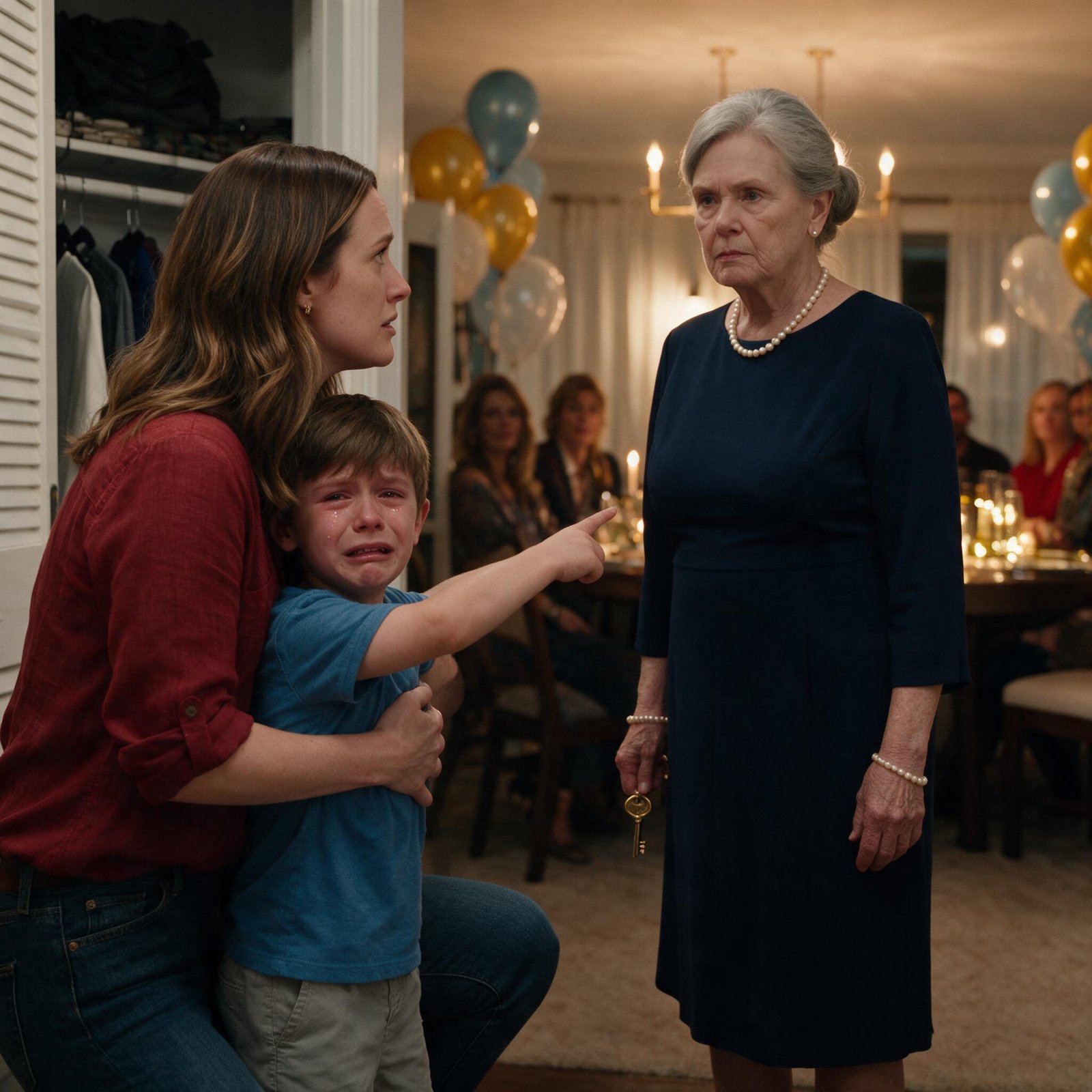
Margaret's story survived exactly four days.
It fell apart the way stories like hers always do — one witness at a time, as soon as somebody else went first.
Carol from the garden club went first. She had been carrying "since before the toast" around in her chest all weekend, and when Ms. Okafor called, it came out of her in a flood: the locked door, the pounding everyone at the table had pretended was the furnace, the way Margaret had turned the music up. Once Carol talked, two more guests called in on their own, because nobody wants to be the last name defending the woman in the file.
Then came Eli's planner with its dotted corners, and the pediatrician's report, and Ava's black-scribble drawing, and a retired teacher from Jefferson Elementary — Claire's teacher, once, at the same school — who saw the name Monroe in a hallway conversation and said, I filed a concern about that family years ago. I always wondered what happened to it.
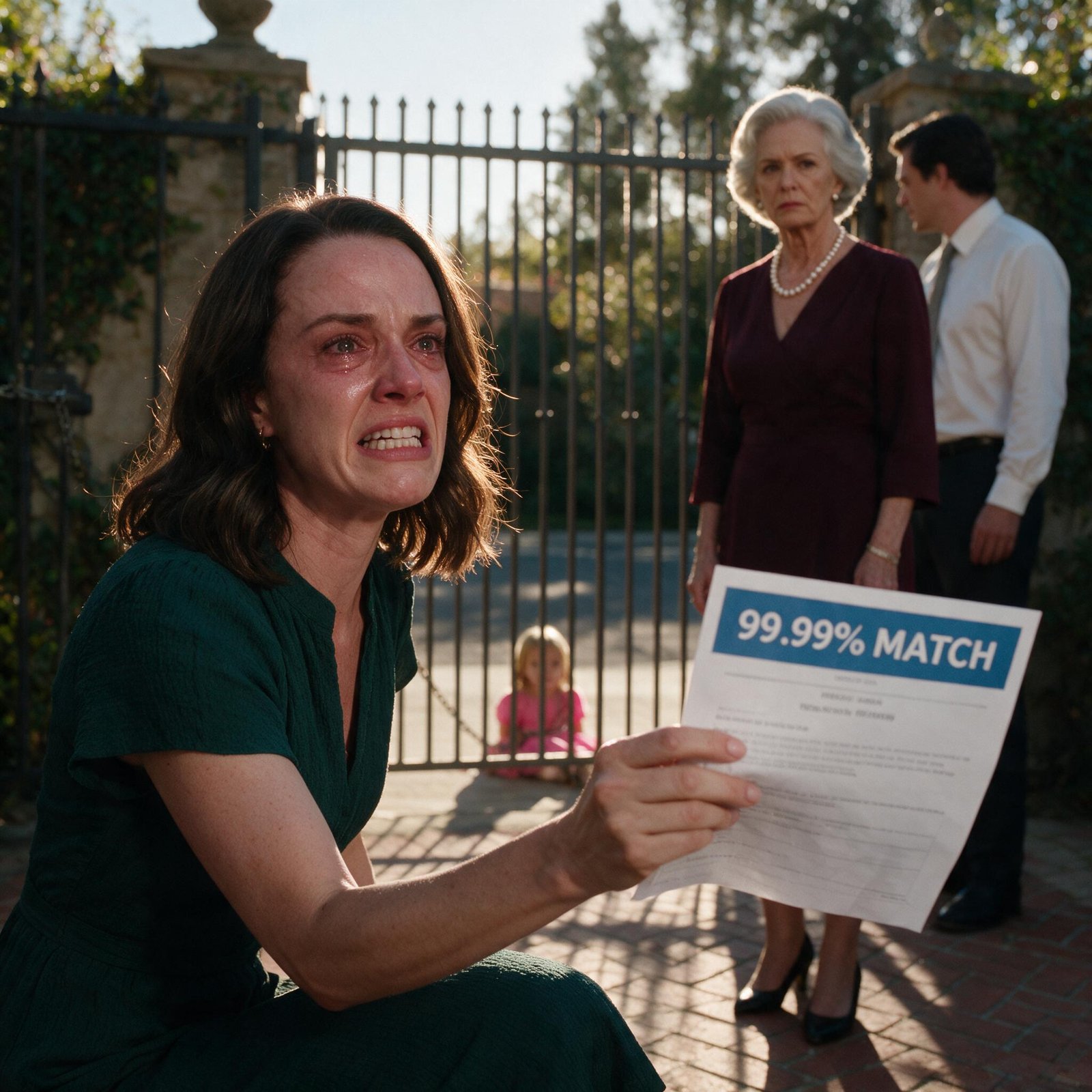
And then David sat across a desk from Ms. Okafor and a detective, laid out the deed, the shell company, the hardware receipt dated three days before move-in, and the photographs of a pencil wedged behind a furnace. He rolled up his sleeve, set his phone on the desk, and said: "The forty-nine marks are mine. I can date some of them. Ask me anything."
The premeditation was what did it. Discipline can be argued in front of a judge; Margaret's own lawyer could have sold old-fashioned grandmother to a sympathetic ear. But a woman who buys the locks before the children arrive has written her intent on a store receipt. The county charged Margaret Monroe with two counts of unlawful imprisonment of a minor and two counts of child endangerment. The report against Rachel was closed as unfounded — and cross-filed as evidence of retaliation.
Margaret's attorney negotiated. There would be no prison for a sixty-five-year-old first offender; there would be a guilty plea to the endangerment counts, a suspended sentence, mandated psychological evaluation, and a no-contact order covering both children until their eighteenth birthdays.
Margaret sat through the hearing straight-backed, in her pearls, waiting for the room to see it her way. That was the strangest thing, David said afterward — she never once looked worried. She was still waiting for the world to apologize to her when the judge read the order.
The garden club met that Thursday without her and never invited her back. Pastor Wills, who had written her character reference, stood in his own doorway the following Sunday and did not ask her in. The big house on Fairview kept its lights on timers all winter, one woman and fourteen rooms, and when the neighbors' children crossed her lawn on Halloween, they crossed it running, because children always know first.
The townhouse came back to them in the settlement — the LLC unwound, the "sale" reversed with interest. They sold it anyway, for real this time, to a young family who wanted it. Nobody wanted to sleep in anything Margaret had ever held the papers to.
The apartment they rented instead was small and on the second floor and had, Rachel pointed out the day they signed, no basement whatsoever. David checked anyway. Everyone let him.
He started therapy in March, Tuesdays at seven. The first month he mostly sat in the parking lot afterward, and Rachel sat with him, and they didn't talk, and that was its own kind of talking. Somewhere around May he started sleeping through the night. Somewhere around June, Eli started bringing friends home again — loud ones. Nobody ever told them to be invisible.
Ava turned six in September.
They held the party in the little apartment with the doors of every room standing open, which was not a coincidence, because in April Eli had come to breakfast and announced the house rule he'd written on a piece of poster board, and the poster board had gone up in the hallway, and it had exactly five words on it.
IN THIS HOUSE, DOORS STAY OPEN.
Twelve kids came to the party. It was deafening. Ava spun in circles by the cake table in the dress she loved, laughing as loud as any kid has ever laughed. Nobody took her by the wrist. Her father watched from the kitchen doorway, his coffee going cold.
That morning, before the guests came, Rachel had found him in the kids' room with a screwdriver, taking the sliding closet doors off their track. He carried them down to the dumpster himself, both at once, like they weighed nothing. In their place he built an open alcove with string lights and a bookshelf, and Ava keeps the stuffed rabbit from her aunt Claire on the middle shelf, where it can see the whole room.
Claire stayed for the party. She stands in doorways a lot, Rachel's noticed — never quite in a room, never quite out of it. Half a lifetime of habit doesn't unlearn in one autumn.
But when the cake came out, Ava grabbed her aunt's hand and pulled, and Claire crossed the threshold and sat down at the table, in the light, in the noise.
And from the head of the table, where the birthday girl sat with frosting on her nose, you could see straight down the little hallway of that apartment, past the poster board, through every single open door.
Part 5 of 5 · Ava's Still Downstairs