Not His Sentence
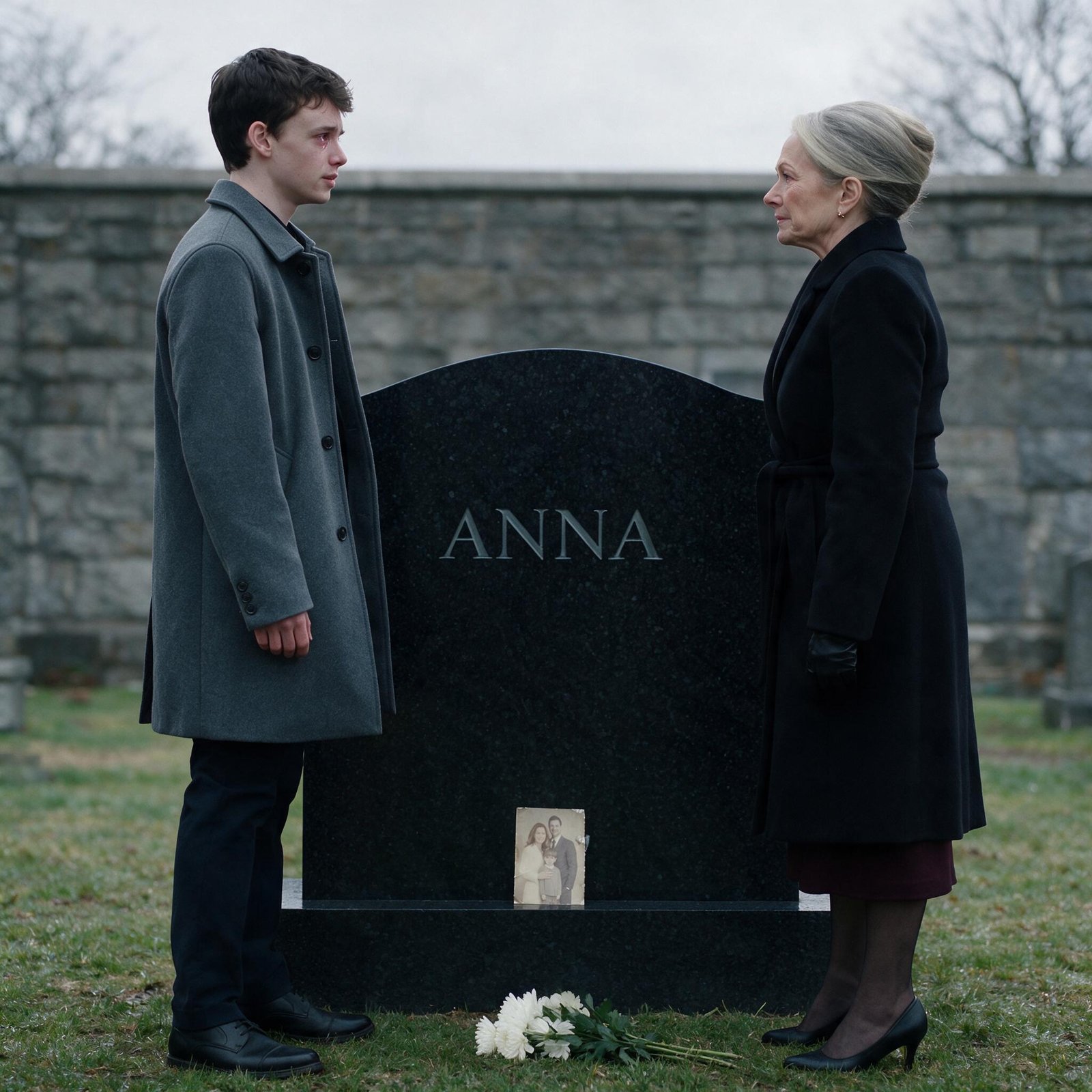
Twenty-three days after Eleanor rejected Noah at the grave, and two weeks after she visited the apartment, Noah chose a coffee shop halfway between Anna’s apartment and the cemetery.
It had small tables, scratched wooden floors, and enough afternoon noise to keep their conversation private without making either of them feel trapped.
Eleanor arrived alone and ordered at the counter for herself.
No assistant opened the door, chose her seat, or placed a folder between them.
Noah noticed those absences before he noticed the coffee trembling slightly in her hand.
She sat across from him and removed her gloves.
“I owe you an apology.”
Noah waited.
“What I said at the grave was cruel, but Marcus did destroy years of Anna’s life.”
The word but landed exactly where every other condition had landed.
“He hurt her,” Noah said.
Eleanor’s mouth tightened as though agreement had surprised her.
“He controlled her money, frightened her, and made our home unsafe.”
Noah kept his palms flat around his untouched cup.
“She left him, and she never took him back.”
“Then you understand why I cannot forgive him.”
“I didn’t ask you to.”
The grinder sounded behind the counter, briefly filling the space where an argument might have gone.
Noah had spent years separating Marcus’s apology from Marcus’s entitlement.
Recovery had made his father less dangerous, but it did not entitle Marcus to a restored marriage or his son’s trust.
Noah took a few of his calls because that was the boundary he had chosen.
He ended them when Marcus blamed alcohol, loneliness, or Anna for conduct that belonged to Marcus.
None of those decisions required Eleanor’s approval.
“You can hate what he did,” Noah said.
“You cannot make me serve his sentence.”
Eleanor lowered her eyes to the table.
For the first time since the grave, she did not answer by naming Marcus.
“What do you expect from me now?”
Noah had prepared for that question, but not because he expected to win anything from it.
He did not want money, public announcements, or a relationship carried through employees and lawyers.
If Eleanor wanted to speak to him, she would call herself, and she would wait if he did not answer.
“I can do that,” she said.
Noah watched for offense or negotiation and saw only the effort it cost her not to take control of the next step.
“I don’t know what you want me to be,” she said.
“I don’t know yet either.”
He did not call her Grandmother.
He did not promise Sunday dinners, holidays, or a place in a life she had entered seven weeks after its center disappeared.
“There is one thing you can do first.”
Eleanor waited.
Noah described the final seconds at the grave.
She had stepped between him and Anna’s headstone, physically shutting him out.
The next time, he wanted her to stand beside him.
He wanted her to say that Anna was his mother, that he was Anna’s son, and that he was Eleanor’s grandson.
Nothing about Marcus needed to follow those facts.
“You make it sound simple,” Eleanor said.
“It is simple.”
“It is not easy.”
“Those are different things.”
Noah finally drank his coffee, which had gone cool while they spoke.
Eleanor asked whether saying the words would earn forgiveness.
“No.”
The answer came quickly enough to make her flinch.
“It would mean you stopped asking me to disappear until I became easier to love.”
Eleanor folded her gloves together on the table.
Noah could not know what she would do in the years ahead, so he made no promises for either of them.
He gave her the time he planned to visit Anna the following morning.
He did not ask her to come.
Eleanor placed no condition on her answer.
“Tomorrow,” Eleanor said, “I will stand where I should have stood the first time.”
Part 4 of 5 · His Father's Blood